The Rise of Futuristic Gadgets: New Technology That Feels Like Science Fiction
1. Smart Glasses: Augmented Reality Becomes Reality
Smart glasses are no longer the stuff of science fiction; they are becoming a common form of consumer technology. Brands like Google, Microsoft, and more recently, Snap Inc., have invested heavily in augmented reality (AR) glasses that overlay digital information onto the physical world. With features such as navigation prompts, notifications, and even interactive games like Pokémon GO, these glasses are transforming how we interact with our surroundings.
Users can enjoy hands-free access to critical data while maintaining an immersive experience. Future iterations promise improved battery life and compact designs, closely resembling everyday eyewear.
2. Foldable and Rollable Screens
The smartphone industry has witnessed a dramatic shift with the introduction of foldable and rollable screens. Manufacturers like Samsung and LG are leading the charge, allowing devices to switch seamlessly between compact and expanded modes. Foldable smartphones offer users a larger screen real estate without sacrificing portability, while rollable displays promise innovations in televisions and monitors, enabling them to hide away when not in use.
This form of technology provides not only aesthetics but also functional advantages, with the potential to create multi-tasking devices that enhance productivity. Imagine transitioning from a phone to a tablet-sized screen simply by unfolding or rolling out your device.
3. Wearable Health Tech: Smart Health Monitoring
Wearable technology has evolved beyond fitness trackers to include advanced health monitoring devices like the Apple Watch and Fitbit. These gadgets now offer features such as ECG monitoring, blood oxygen saturation levels, and sleep tracking. Integration with smartphone apps allows users to manage their health data seamlessly, offering insights that can lead to proactive health management.
Futuristic advancements may soon include non-invasive blood glucose monitoring for diabetics and wearable devices that can predict health issues before they arise, ultimately revolutionizing preventive healthcare.
4. Smart Home Automation: Control at Your Fingertips
Smart home technology is rapidly gaining traction as consumers seek convenience and security. Devices like the Amazon Echo, Google Nest Hub, and Philips Hue smart lighting allow users to control their home environment through voice commands or smartphone apps. These gadgets offer unprecedented control over home security, energy consumption, and entertainment systems.
The evolution of the Internet of Things (IoT) enhances this ecosystem, enabling devices to communicate for more refined automation. Imagine a home that learns your habits, adjusting lighting, heating, and even grocery orders based on your preferences.
5. Advanced Robotics: Helpers at Home and Beyond
Robotics have made impressive strides, transitioning from industrial applications to home use. Robotic vacuums, such as Roomba, and lawn-mowing robots not only automate mundane chores but also incorporate AI to learn the layout of a home or yard, optimizing their cleaning paths.
In the service industry, robots are taking on roles such as bartenders, servers, and even receptionists, creating efficiencies that were once thought impossible. The potential for personal assistant robots in healthcare or elderly care is equally promising, providing companionship and monitoring capabilities.
6. Drones: From Hobbyists to Everyday Essentials
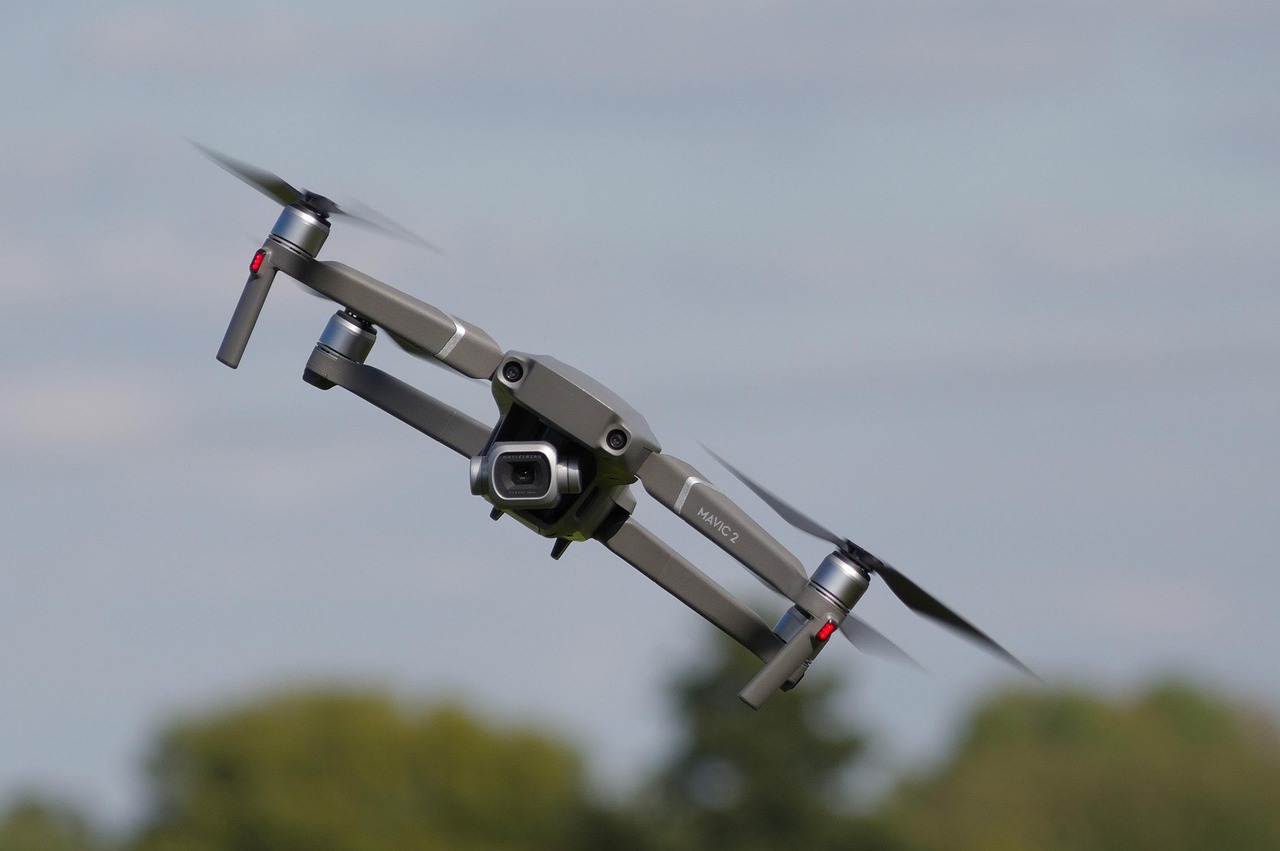
Drones have gone beyond their initial hobbyist applications and are emerging as essential tools in various sectors. They are now used for aerial photography, agriculture, and even delivery services. Companies like Amazon and UPS are exploring drone delivery systems, poised to redefine logistics and consumer convenience.
Advanced drones feature obstacle detection, real-time mapping, and even AI-driven navigation, making them safer and more efficient. As regulations evolve, the potential for everyday drone use may revolutionize how we receive products, conduct inspections, and manage agriculture.
7. 3D Printing: The Future of Manufacturing
3D printing technology is altering manufacturing processes across numerous industries, from automotive to fashion. This technology allows for rapid prototyping and the creation of intricate designs that are often impossible with traditional methods. It provides the ability to produce personalized items on demand, reducing waste and inventory costs significantly.
Futuristic applications of 3D printing include creating custom prosthetics tailored to individual patients, printing organs for transplant, and even large-scale construction projects. This transformative potential underscores a future where manufacturing is decentralized and on-demand.
8. Virtual Reality: The New Frontier of Experience
Virtual Reality (VR) has made significant headway, primarily in gaming and entertainment but also in fields like education and therapy. Companies like Oculus and HTC are pioneering immersive experiences that feel incredibly lifelike. Users can explore other worlds, learn new skills, or even simulate complex surgical procedures from the comfort of their own homes.
As hardware becomes more affordable and software diversifies, VR is set to disrupt numerous sectors. Imagine training for a job through a fully immersive simulation or participating in virtual tourism experiences that bring faraway locales to life.
9. Quantum Computing: The Next Leap in Processing Power
Quantum computing has frequently been associated with theoretical discussions about the future of technology, but its actual development is progressing rapidly. Companies like IBM and Google are exploring how quantum bits (qubits) can process data exponentially faster than classical bits. This capability has the potential to revolutionize fields such as cryptography, material science, and complex system modeling.
Though still in the experimental stage, advancements in this technology could lead to breakthroughs that were previously nonviable, reshaping our digital landscape fundamentally.
10. Autonomous Vehicles: The Path to Self-Driving
Autonomous vehicles are at the forefront of technological innovation. Companies such as Tesla and Waymo are testing self-driving cars using advanced sensor technology and AI algorithms that allow vehicles to navigate without human intervention. These technologies promise to change the dynamics of transportation, reducing traffic accidents and optimizing commuter efficiency.
As regulatory challenges are addressed and public acceptance grows, self-driving technology will transform urban planning and societal norms around travel, encouraging widespread changes in how we view car ownership and mobility.
11. Energy Innovations: Powering the Future Sustainably
Innovations in energy technologies, such as solar panels and battery storage solutions, are becoming more efficient, making renewable energy more accessible. Products like solar roof tiles and advanced wind turbine designs are moving toward a future powered predominantly by green energy.
Smart grids and energy management systems incorporate AI for efficiency, ensuring energy is used where it’s most needed. These advancements represent a shift towards a sustainable future, where technology aligns with environmental stewardship.
12. Biotechnology: Merging Biology with Tech
Biotechnology is blurring the line between technology and life sciences. Innovations like CRISPR gene editing technology allow for precise modifications of DNA, offering potential cures for genetic diseases. Wearable biotech could help monitor conditions in real-time and administer treatments automatically.
Bio-hacking and human enhancement technologies are opening conversations about the future of medical care and the ethical implications of modifying the human body. As science fiction concepts become reality, the integration of tech into biological systems raises profound questions that society must grapple with.
In an age characterized by rapid technological advancement, futuristic gadgets are not only reshaping consumer habits but also holding the potential to redefine our daily existence.