
Understanding Camera Types
When deciding on a camera, it is essential to recognize the different types available on the market. The primary categories include:
1. Point-and-Shoot Cameras
Point-and-shoot cameras are compact, user-friendly devices designed for casual photography. They typically feature automatic settings, which can be beneficial for beginners. Most point-and-shoots have built-in lenses with varying zoom capabilities, making them suitable for spontaneous captures.
2. DSLR Cameras
Digital Single-Lens Reflex (DSLR) cameras are known for their versatility and quality. With interchangeable lenses, advanced settings for experienced photographers, and superior image sensors, DSLRs can tackle various photography styles from portraits to landscapes. Moreover, their robust build quality ensures longevity.
3. Mirrorless Cameras
Mirrorless cameras have gained popularity due to their compact size and ability to offer similar performance to DSLRs without the bulk. They utilize electronic viewfinders (EVFs) and deliver exceptional image quality. Popular among enthusiasts and professionals alike, mirrorless systems provide customizable settings for advanced photography.
4. Action Cameras
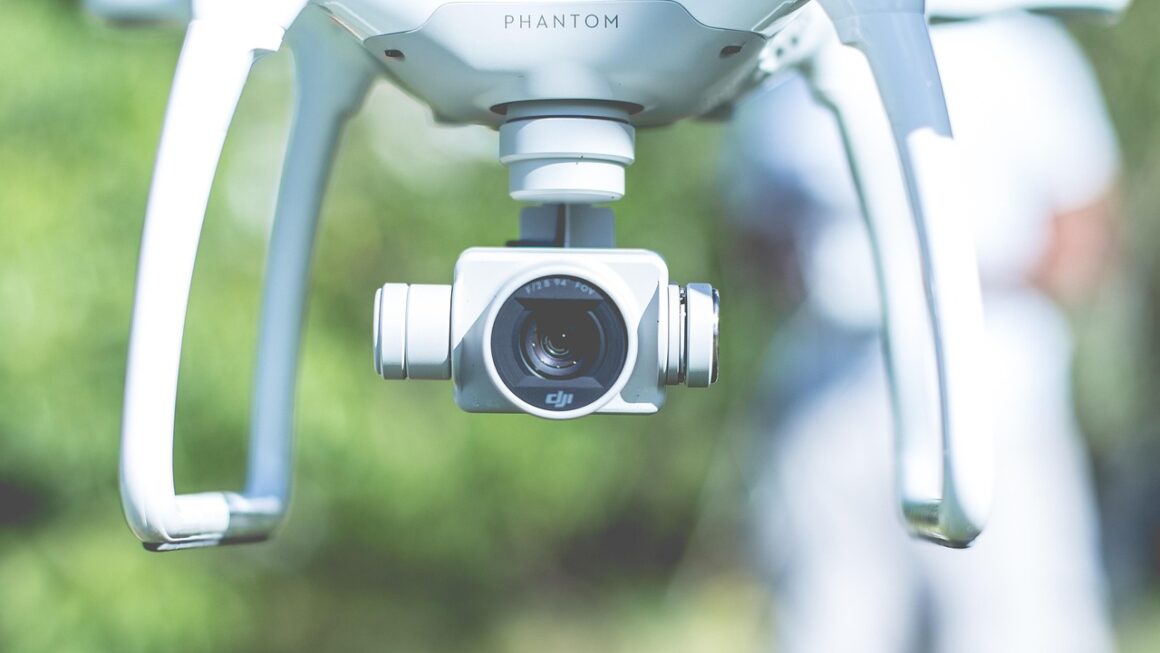
Designed for durability and portability, action cameras are perfect for adventure-seekers and extreme sports lovers. They are small, lightweight, and usually feature wide-angle lenses, making them ideal for capturing fast-paced action. Many models are also waterproof, increasing their versatility in outdoor activities.
5. Smartphone Cameras
Modern smartphones come equipped with advanced camera technology, competing with standalone cameras in terms of image quality. Features like multiple lenses, manual modes, and various smartphone apps can enhance photography considerably. Their convenience and always-on hand design make them an attractive option for everyday shooting.
Important Features to Consider
When comparing cameras, consider the following key features that can significantly influence your decision:
1. Megapixels
Megapixels dictate the resolution of your images. While higher megapixels indicate better detail, they are not the sole factor for image quality. Cameras with 12-20 megapixels are typically sufficient for most users, especially if you don’t plan on large prints.
2. Sensor Size
The sensor’s size can affect image quality, especially in low-light situations. Full-frame sensors provide the best image quality but are often more costly. APS-C sensors balance size and price for enthusiasts, while smaller sensors may suffice for casual users.
3. Lenses
Lenses can enhance or limit a camera’s capabilities. For DSLRs and mirrorless systems, the availability of interchangeable lenses permits greater creative freedom. Consider the types of photography you want to pursue when selecting a camera; dedicated lenses for macro, wide-angle, or telephoto photography can significantly impact your results.
4. ISO Performance
ISO affects how well a camera captures images in varying light conditions. A camera that performs well at high ISO settings can be valuable for photography in low light. Look for models that minimize noise at higher ISO levels as this ensures clear, usable images.
5. Autofocus System
A responsive autofocus system can help achieve sharp images, particularly in dynamic or fast-paced environments. Cameras with multiple autofocus points and rapid focus acquisition times are advantageous for capturing subjects in motion.
Ergonomics and Build Quality
The camera’s design, weight, and build quality are crucial for user experience. A comfortable grip is essential for extended shooting sessions. Evaluate the layout of controls and buttons, ensuring they are intuitive and accessible. If you plan to shoot in challenging environments, consider weather-sealed models designed to withstand moisture and dust.
Additional Features to Explore
Certain additional features can enhance the functionality and enjoyment of your camera:
1. Wi-Fi and Bluetooth Connectivity
These features facilitate easy photo transfers to smartphones and other devices for sharing on social media. They also allow for remote control of your camera from your mobile device, adding convenience to your shooting experience.
2. Video Capabilities
If video recording is important to you, assess the camera’s video specifications, such as resolution (e.g., 4K) and frame rate options. Many modern cameras offer high-quality video features, including advanced stabilization systems that can enhance the overall quality of your footage.
3. Articulating Screens
An articulating screen can be beneficial for framing shots at challenging angles or for vlogging. It provides flexibility in finding the right shooting position, making it easier to compose a shot regardless of the situation.
4. Image Stabilization
Image stabilization reduces the impact of shaky hands, especially during handheld shooting. Optical image stabilization embedded in lenses or in-body stabilization can enhance sharpness and improve the overall image quality.
Budgeting for Your Purchase
Establishing a budget is crucial when shopping for a camera. Prices can vastly vary across brands and models. Set a range that suits your financial situation while considering the features that matter most to you. Remember to factor in the cost of lenses and accessories, as these can add up quickly.
Researching Brands
When selecting a brand, conduct thorough research on manufacturer reputation, customer service, and warranty options. Trusted brands often provide robust ecosystems of lenses and accessories, which can be beneficial for future upgrades.
Reading Reviews and Comparisons
Before finalizing a camera choice, read expert reviews and user experiences. Online communities and photography forums can offer valuable insights and fruitfully compare models side by side. Video reviews can also provide a hands-on sense of how various cameras perform in real-world scenarios.
Seeking Hands-On Experience
If possible, visit local stores to test different camera models. Assess how they feel in your hands, how intuitive the interface is, and whether you can comfortably navigate the controls. Physical interaction can sometimes reveal preferences that online research cannot provide.
Considering Future Needs
Think about your future photography aspirations. A beginner might want to start with a point-and-shoot but may soon desire a more advanced system as skills improve. Choosing a camera that allows for growth and upgrading can help you stay engaged with your photography journey over the years.
Advice on Accessories
Investing in essential accessories can enhance your photography experience. Consider purchasing:
- Tripods: A sturdy tripod aids extremely valuable for long exposures, ensuring sharp images.
- Extra Batteries: Having spare batteries ensures you’re never caught without power during crucial moments.
- Memory Cards: High-capacity and high-speed memory cards facilitate the storage of high-resolution images and videos.
- Camera Straps: A quality strap can provide comfort during extended shooting while enhancing camera protection.
Conclusion: Choose Wisely
As you navigate through your camera-buying journey, weighing each option, feature, and accessory carefully will lead to informed decisions that suit your unique photography style and budget. Ensure that the camera you choose aligns with your passions and aspirations—allowing you to capture not just images but moments worth remembering.