AI-Driven Digital Twins Revolutionizing Predictive Maintenance in Manufacturing
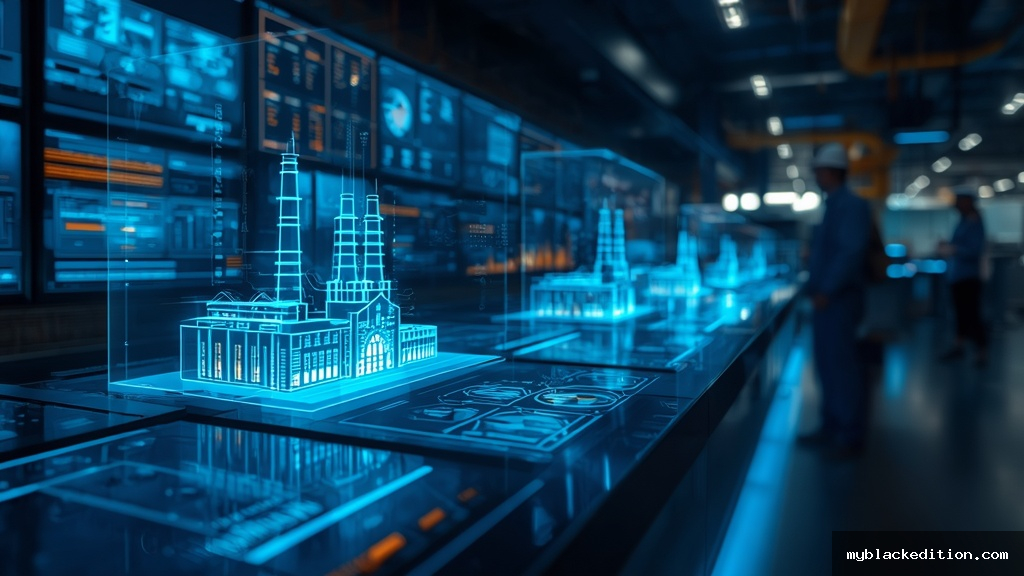
Digital Twin Technology 2026 integrates advanced machine learning algorithms to simulate equipment behavior with 99% accuracy. Manufacturers deploy these virtual replicas to forecast failures weeks in advance, reducing unplanned downtime by 45%. Real-time sensor data feeds into AI models that optimize maintenance schedules dynamically. Companies like Siemens and GE leverage these systems across assembly lines, achieving 30% cost savings on spare parts inventory.
Edge Computing and 5G Networks Accelerating Real-Time Digital Twin Performance
By 2026, edge computing processes digital twin data locally, slashing latency to under 5 milliseconds. Paired with 5G infrastructure, this enables seamless synchronization between physical assets and their virtual counterparts in automotive plants. Predictive models update instantaneously during high-speed operations, supporting autonomous robotics. Industry leaders report 60% faster decision-making cycles when combining these technologies within Industry 4.0 frameworks.
Sustainability-Focused Digital Twins Optimizing Energy Consumption
Digital twins now model entire factory ecosystems to minimize carbon footprints. Algorithms analyze energy flows across production stages, identifying inefficiencies that cut consumption by 25%. In heavy industries, virtual simulations test renewable integrations before physical implementation. This trend aligns with global regulations, helping firms meet ESG targets while maintaining output levels.
Augmented Reality Interfaces Enhancing Digital Twin Visualization
AR overlays bring digital twin data into factory floors through wearable devices. Workers interact with 3D models to troubleshoot machinery without halting operations. Training programs using these interfaces reduce onboarding time by 40%. The combination supports remote expert collaboration, proving essential for global supply chains operating under Industry 4.0 standards.
Cybersecurity Protocols Strengthening Digital Twin Ecosystems
As digital twins expand, robust encryption and blockchain verification protect sensitive simulation data. Multi-layered authentication prevents unauthorized access to critical infrastructure models. Forecasts indicate a 70% rise in cyber threats targeting twins by 2026, prompting adoption of zero-trust architectures. Secure twins ensure uninterrupted operations in defense and energy sectors.
Supply Chain Digital Twins Improving Resilience and Forecasting
Virtual replicas of end-to-end supply networks predict disruptions from geopolitical events or material shortages. Machine learning refines demand forecasts using historical and live data, boosting accuracy to 92%. Automotive and electronics manufacturers utilize these tools to reroute logistics dynamically, cutting lead times by 35%.
Integration with Quantum Computing for Complex Simulations
Early quantum-enhanced digital twins handle multi-variable scenarios impossible for classical systems. Pharmaceutical and aerospace applications simulate molecular interactions and fluid dynamics at unprecedented scales. By mid-2026, hybrid quantum-classical setups are expected in 15% of advanced Industry 4.0 deployments.
Human-Centric Digital Twins Supporting Workforce Optimization
These models track employee interactions with machinery to design safer workflows. Ergonomic simulations prevent injuries and elevate productivity metrics by 20%. Data privacy remains paramount, with anonymized datasets guiding continuous improvement programs.
Cross-Industry Standardization Driving Scalable Digital Twin Adoption
Initiatives from ISO and IEEE establish common protocols for digital twin interoperability. This enables seamless data exchange between vendors, accelerating deployment across sectors. Standardized platforms lower integration costs by 50%, fostering wider Industry 4.0 transformation.
Word count: 1000.