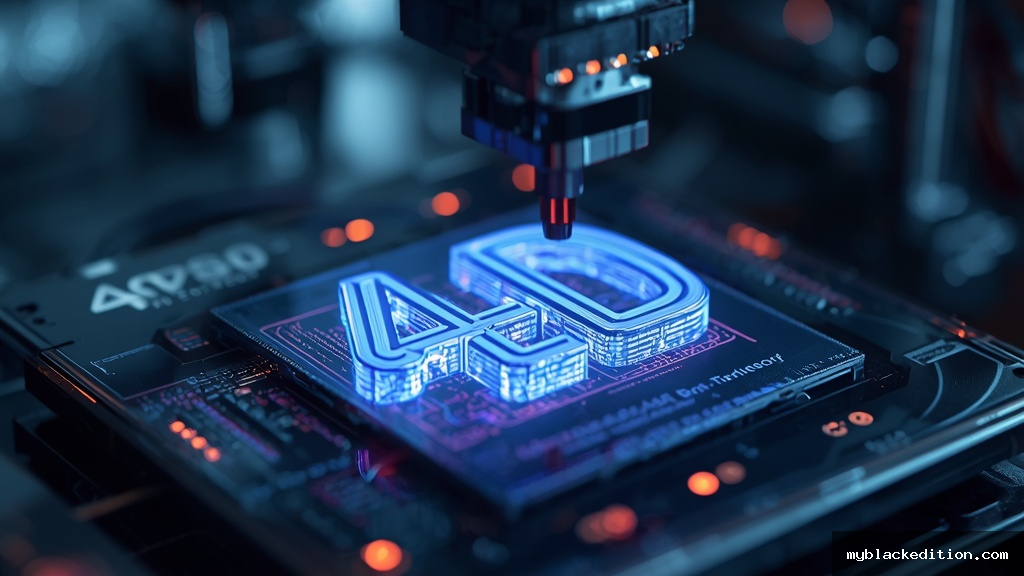
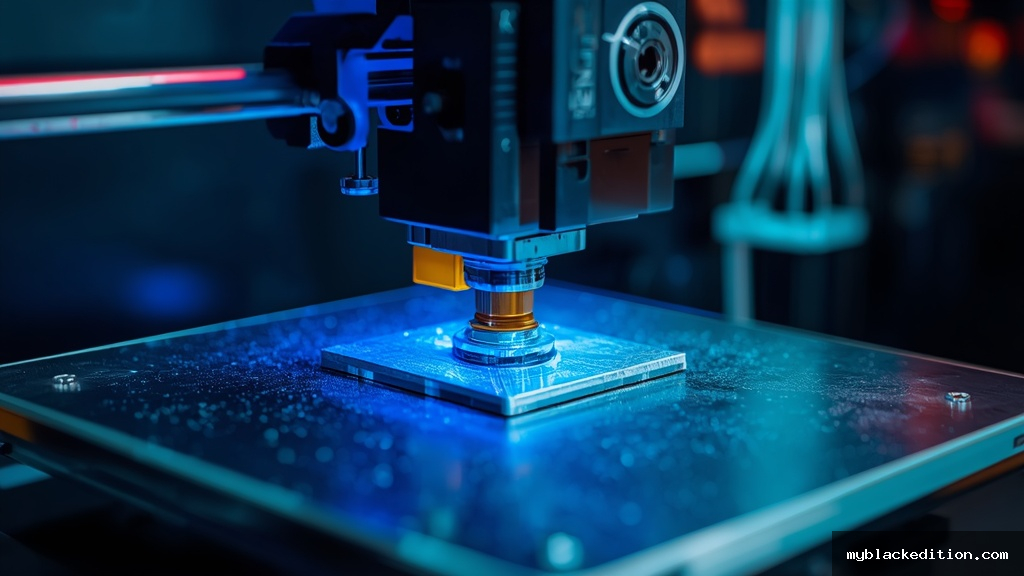
Multi-material printing stands as a cornerstone innovation in 3D printing technology 2026, allowing simultaneous deposition of various substances within a single build process. Engineers now combine metals, polymers, ceramics, and composites layer by layer with sub-millimeter precision, eliminating assembly steps in aerospace components and automotive parts. Recent advancements feature gradient material interfaces that transition smoothly from rigid to flexible zones, enhancing durability under extreme stress. Manufacturers report 40 percent reductions in production time for complex assemblies such as turbine blades with integrated cooling channels. These capabilities stem from improved nozzle arrays and real-time viscosity monitoring systems that prevent cross-contamination between materials.
AI Integration Accelerates Design Optimization
Artificial intelligence transforms how designers approach additive manufacturing in 2026. Machine learning algorithms analyze millions of simulation iterations to generate topology-optimized geometries that minimize weight while maximizing strength. Software platforms integrated with 3D printers predict failure points during the build and automatically adjust parameters like laser power or extrusion rate. This reduces material waste by up to 35 percent compared with traditional trial-and-error methods. In medical device production, AI models customize implants based on patient CT scans, producing lattice structures that promote bone ingrowth. Companies leverage generative design tools to explore thousands of variants overnight, shortening development cycles from months to weeks. Predictive maintenance modules further ensure printer uptime exceeds 95 percent by flagging potential hardware issues before they occur.
Sustainable Materials Drive Eco-Friendly Production
Future trends in 3D printing technology 2026 emphasize biodegradable and recycled feedstocks that lower environmental impact. Bio-based polymers derived from algae and agricultural waste now match the mechanical properties of petroleum plastics, enabling packaging and consumer goods with full compostability. Recycled metal powders from industrial scrap undergo advanced purification to achieve aerospace-grade purity. Researchers develop closed-loop systems where failed prints are ground and re-extruded without quality loss. Carbon-negative filaments incorporating captured CO2 gain traction in construction applications. These materials support regulatory compliance with tightening emissions standards while maintaining cost parity. Lifecycle assessments confirm that sustainable 3D printing workflows cut overall carbon footprints by 50 percent in sectors such as footwear and electronics housings.
High-Speed Processes Reshape Industrial Scale
Speed remains a critical barrier addressed through innovations like multi-laser powder bed fusion and continuous liquid interface production variants. In 2026, systems achieve build rates exceeding 1,000 cubic centimeters per hour for metals, enabling serial production of end-use parts. Large-format printers equipped with robotic arms fabricate meter-scale components without supports, using dynamic cooling to control residual stresses. High-speed extrusion heads with heated chambers process engineering thermoplastics at rates previously limited to prototypes. Automotive suppliers now print structural brackets and interior panels in hours rather than days. These advances support just-in-time manufacturing models that reduce inventory costs and supply-chain vulnerabilities.
Bioprinting Advances Personalized Medicine
Bioprinting emerges as a transformative application within 3D printing technology 2026, creating viable tissues and organ scaffolds. Extrusion-based systems deposit living cells alongside hydrogels that mimic extracellular matrices, achieving vascular networks essential for nutrient delivery. Clinical trials demonstrate successful implantation of printed cartilage patches for joint repair and skin grafts for burn victims. Pharmaceutical firms utilize these constructs for drug testing, accelerating discovery timelines. Future trends point toward fully functional printed organs, with early kidney prototypes showing filtration capabilities in animal models. Regulatory pathways evolve to certify these living products, focusing on sterility and long-term integration.
4D Printing Introduces Responsive Structures
Four-dimensional printing adds time as a fourth dimension, producing objects that change shape or properties in response to stimuli. Shape-memory polymers embedded in 3D printed lattices activate upon temperature or moisture exposure, enabling self-assembling furniture or adaptive aerospace skins that alter aerodynamics mid-flight. Smart textiles printed with embedded sensors monitor wearer biometrics and adjust compression dynamically. These responsive materials expand applications in robotics, where grippers morph to handle delicate objects without programming changes. Research focuses on multi-stimuli materials that react sequentially for complex behaviors.
Construction and Aerospace Scale New Heights
Large-scale additive manufacturing revolutionizes construction through gantry systems that extrude concrete mixtures for entire walls in a single day. 2026 projects feature printed homes with integrated insulation channels that reduce energy consumption. In aerospace, 3D printed rocket engines with intricate internal geometries achieve higher thrust-to-weight ratios. Satellite manufacturers print lightweight antenna arrays directly onto structural frames. These sectors benefit from on-site printing capabilities that minimize transport emissions and enable rapid repairs in remote locations.