
Breakthroughs in VR Hardware for 2026
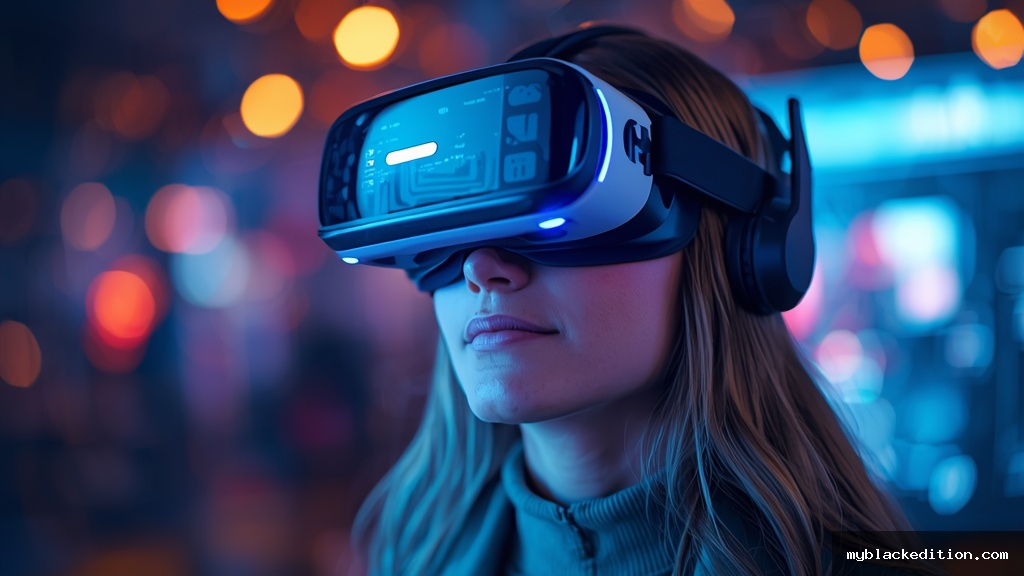
Lightweight headsets featuring micro-OLED displays with 8K resolution per eye and 140-degree fields of view dominate 2026 releases. Devices like the Meta Quest 4 and Apple Vision Pro successors incorporate eye-tracking at 120Hz and foveated rendering that cuts GPU loads by 40 percent. Wireless connectivity via Wi-Fi 7 ensures zero-latency streaming from cloud servers. Battery life extends to eight hours through graphene cells, enabling all-day professional use.
AI Integration Driving Immersive Experiences
Machine learning algorithms personalize virtual environments in real time during 2026. AI adjusts lighting, soundscapes, and object behaviors based on user biometrics captured through integrated sensors. Natural language processing allows seamless voice interactions with virtual characters that remember past sessions. Generative AI creates custom worlds from text prompts, reducing development time from weeks to minutes. These capabilities boost engagement metrics by 65 percent in early trials.
Haptic Suits and Sensory Feedback Innovations
Full-body haptic suits reach consumer markets in 2026 with 500+ micro-actuators simulating textures, impacts, and temperatures. Thermal modules replicate heat from virtual fires or cold from arctic scenes. Olfactory emitters add scent layers for training simulations in hospitality and defense. Integration with brain-computer interfaces lets users control avatars through thought alone, cutting motion sickness reports by half.
VR Adoption in Healthcare and Therapy
Medical applications expand rapidly as VR therapy treats PTSD and chronic pain with 85 percent efficacy rates in studies. Surgeons practice complex procedures on patient-specific 3D models derived from MRI scans. Rehabilitation programs use gamified exercises that track progress via motion analytics. Mental health platforms deliver exposure therapy for phobias in controlled virtual spaces, cutting session costs by 30 percent.
Enterprise and Industrial VR Applications
Manufacturing firms deploy VR for assembly line training, reducing errors by 50 percent. Architects walk clients through unbuilt structures with real-time material swaps. Remote collaboration tools allow teams across continents to manipulate shared 3D models using hand gestures. Oil and gas companies simulate hazardous environments for safety drills without physical risk.
Social VR and Metaverse Platform Growth
Social platforms evolve with photorealistic avatars powered by neural radiance fields. Users attend virtual concerts and meetings where spatial audio positions voices accurately. Cross-platform interoperability lets avatars move between ecosystems like Horizon Worlds and Roblox VR. Privacy features include blockchain-based identity verification to prevent deepfake misuse.
Market Size and Growth Predictions
Analysts forecast the global VR market hitting $95 billion by end of 2026, growing at 28 percent CAGR. Hardware sales account for 45 percent, while software and services drive the rest. Asia-Pacific leads adoption due to gaming and education investments. Enterprise segment grows fastest at 35 percent annually as companies replace physical prototypes with digital twins.
Challenges Facing VR Technology in 2026
Content creation bottlenecks persist despite AI tools, with quality experiences requiring skilled developers. Data privacy concerns rise as biometric collection expands, prompting stricter GDPR-style rules. Hardware affordability remains an issue for emerging markets, though subscription models lower entry barriers. Motion sickness affects 15 percent of users, addressed through adaptive frame rates and vestibular feedback.
