
AI-Powered Adaptive Learning Systems
AI in education 2026 emphasizes adaptive platforms that analyze real-time student data to customize lesson plans, pacing, and resources. These systems use machine learning algorithms to identify knowledge gaps within minutes, delivering targeted modules that boost retention rates by up to 40 percent compared to traditional methods. Teachers gain dashboards showing predictive performance trends, allowing early interventions for at-risk learners. Generative AI tools create differentiated worksheets and quizzes aligned with curriculum standards, reducing preparation time for educators by half. Schools adopting these trends report higher engagement, as students progress at their own speed without feeling left behind or held back.
Intelligent Tutoring Systems and AI Assistants
Virtual AI tutors serve as round-the-clock companions in 2026 classrooms, providing instant feedback on math problems, essay drafts, and language practice. Powered by natural language processing, these assistants simulate one-on-one instruction, adjusting explanations based on a learner’s emotional cues detected through webcam analysis. Integration with school LMS platforms enables seamless tracking of progress across subjects. AI trends in education highlight chatbots that answer routine queries, freeing instructors for deeper mentorship. Research from pilot programs shows students using these tools improve test scores by 25 percent, particularly in STEM fields where step-by-step guidance accelerates mastery.
VR for Immersive Historical and Scientific Experiences
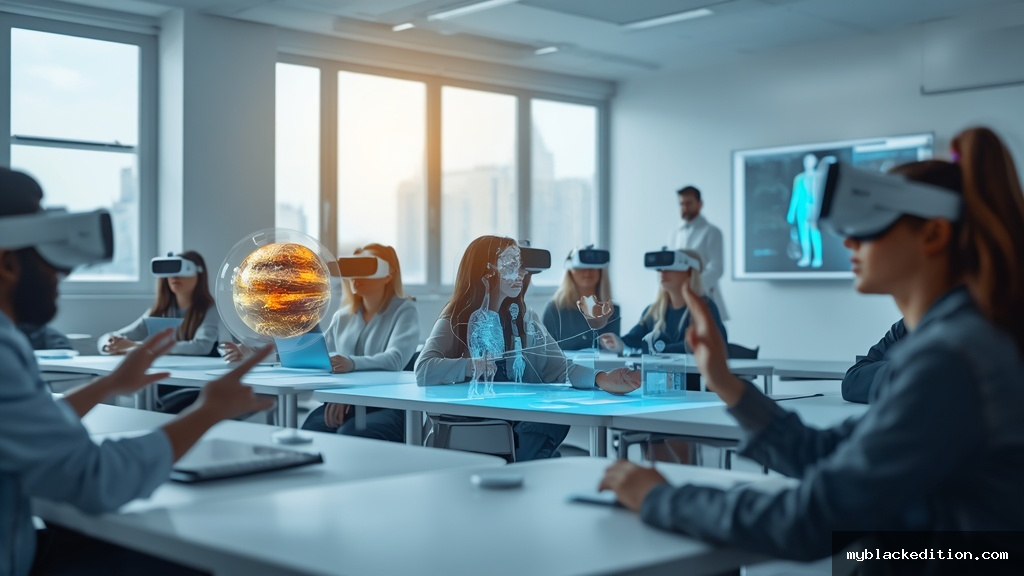
Virtual reality trends transforming learning include fully immersive field trips to ancient Rome or inside human cells, eliminating geographical barriers. Students don headsets to manipulate 3D molecular structures or witness volcanic eruptions safely, increasing conceptual understanding through experiential interaction. In 2026, affordable standalone VR devices make this scalable, with content libraries updated via cloud AI recommendations tailored to grade levels. Science labs conducted in VR cut equipment costs while allowing unlimited repetitions of complex experiments. Engagement metrics rise dramatically, with learners reporting stronger memory recall after VR sessions versus textbook study.
Collaborative Virtual Environments and Metaverse Classrooms
VR in learning 2026 extends to shared digital spaces where global students collaborate on projects as avatars. These metaverse classrooms support real-time group simulations, such as engineering bridge designs or diplomatic negotiations, fostering teamwork across cultures. AI moderates discussions, suggests resources, and translates languages instantly to maintain inclusivity. Haptic feedback suits add physical sensations during activities like virtual dissections or art sculpting. Districts implementing these hybrid setups note improved social skills and reduced isolation for remote learners, preparing them for future digital workplaces.
AI Analytics Driving Curriculum Evolution
Predictive analytics powered by AI process vast datasets from assessments, attendance, and even biometric signals to refine curricula dynamically. Education leaders in 2026 use these insights to prioritize emerging skills like coding and critical thinking over outdated topics. Automated content generation tools produce updated modules incorporating current events, ensuring relevance. VR complements this by offering performance data from simulated environments, revealing practical competencies invisible in paper tests. Institutions leveraging combined AI and VR trends achieve measurable gains in graduation rates and career readiness.
Ethical Implementation and Accessibility Focus
Data privacy remains central as AI and VR adoption grows, with strict encryption and consent protocols protecting student information. Inclusive design ensures VR experiences accommodate disabilities through adjustable interfaces and AI voice navigation. Training programs equip teachers to interpret AI recommendations ethically, avoiding bias in personalized pathways. Funding models expand access via government subsidies, bridging digital divides in underserved regions. These safeguards sustain trust while maximizing the benefits of technology in education 2026.